Contents:
- Why Ranunculus Bouquets Matter for Gifts and Weddings
- They look expensive without being the most expensive
- They last longer than people expect
- They work for almost any message
- They suit modern rooms and small apartments
- Basics for Beginners: What You Are Actually Buying
- The plant in plain terms
- Varieties worth knowing by name
- How a ranunculus bouquet is usually sold
- What a good bouquet looks like on arrival
- Ranunculus vs. Peonies: The Comparison Everyone Gets Wrong
- Cost Breakdown: What a Ranunculus Bouquet Costs in 2026
- Gift bouquets with real price points
- A simple budget estimate by occasion
- Hidden costs to check before you pay
- Intermediate Level: Choosing and Caring for a Ranunculus Bouquet
- Buy slightly closed buds
- Condition the stems properly
- Use the right vase and water depth
- Keep up a simple maintenance routine
- Expect the bouquet to move
- Pair ranunculus with the right companions
- Matching the bouquet to the occasion
- Reading a product listing like a florist
- Advanced Nuances: Weddings, Timing and Florist Selection
- A seasonal calendar for planning
- Ranunculus in bridal bouquets
- Heat and humidity
- Butterfly ranunculus and other specialty types
- Color strategy for photos
- Gifting for new parents and hospital deliveries
- How to judge a florist for ranunculus specifically
- Custom orders when nothing fits
- Common Mistakes With Ranunculus Bouquets
- Buyer mistakes
- Seller red flags
- Wedding-specific mistakes
- Frequently Asked Questions About Ranunculus Bouquets
- How long does a ranunculus bouquet last?
- Are ranunculus a good choice for a wedding bouquet?
- What is the difference between ranunculus and peonies?
- How much should I budget for a ranunculus gift bouquet?
- Can I get ranunculus delivered the same day in Miami?
Here is a claim most florists will back up privately: a ranunculus bouquet gives you more visual impact per dollar than a dozen long-stem roses, and it photographs better too. One ranunculus head can carry over a hundred tissue-thin petals wrapped in tight spirals, so a modest handful of stems reads as lush and expensive. That is the main reason ranunculus bouquets have become a gift and wedding favorite for couples, new parents and anyone tired of sending the same red roses every February.
This guide is built for people who want results, not poetry. You will learn what ranunculus actually are, how to pick a good bouquet, how to keep it alive for a week or more, what it costs in 2026, and where people waste money. I will also use real examples from My Peonika, a florist studio in Hallandale Beach that delivers across the Miami area, because concrete products and prices beat vague advice.
Why Ranunculus Bouquets Matter for Gifts and Weddings
Flowers have a job. A birthday bouquet has to say “I thought about you” before the card is opened. A bridal bouquet has to survive hours of handling, heat and a few hundred photos. Ranunculus do both jobs unusually well, and the reasons are practical.
They look expensive without being the most expensive
The layered structure is the whole trick. A rose has roughly 25 to 40 petals on a standard variety. A well-grown ranunculus packs its petals so densely that the bloom looks like a small peony or a garden rose, yet it often costs less per stem than either at the same quality level. Fifteen ranunculus in a low vase fill space the way 25 standard roses would.
They last longer than people expect
Buyers assume anything that delicate will collapse in two days. In reality, ranunculus cut at the right stage give a vase life of about 7 to 10 days, and they keep opening slowly over that time. You get several different “looks” from one bouquet: tight cups on day one, wide rosettes on day four, a loose and papery shape near the end that some people like best.
They work for almost any message
Ranunculus come in a broad palette: white, cream, blush, peach, coral, hot pink, burgundy, red, yellow, orange and bicolors with painted edges. That range lets you match a message rather than default to one. Common color meanings used by florists:
- White: purity and new beginnings, a natural fit for weddings and new babies.
- Blush: admiration, good for a first anniversary or a thank-you to a mentor.
- Coral: gratitude, a smart pick for teachers, hosts or a colleague who covered for you.
- Red: passion, the romantic alternative to red roses.
- Yellow: friendship, cheerful without any romantic undertone.
They suit modern rooms and small apartments
Young professionals and new parents rarely have a dining table big enough for a 50-stem tower. Ranunculus look best short and grouped, in a low wide vase on a kitchen counter or nightstand. They also carry little to no fragrance, which matters in hospital rooms, nurseries and offices where a heavy lily scent would bother people.
Basics for Beginners: What You Are Actually Buying
Before you order, it helps to know the plant and the trade vocabulary. Ten minutes here prevents most disappointments.
The plant in plain terms
Ranunculus asiaticus, often called the Persian buttercup, belongs to the buttercup family. Growers plant dry, claw-shaped corms in fall, and the plants flower in cool weather. In the United States the field season runs roughly from late winter into spring, with California as a major domestic source. Outside that window, florists rely on imports and greenhouse production from places such as Colombia, Ecuador and the Netherlands, which is why you can find ranunculus in most months now, though selection and price swing with the season.
One safety note for families: ranunculus contain compounds that irritate the mouth and stomach and are listed as toxic to cats and dogs. Keep the vase out of reach of pets and toddlers who like to taste things.
Varieties worth knowing by name
You do not need to memorize a catalog, but a few names come up constantly and they look quite different from each other:
- Elegance: a reliable series with large, full heads and strong color. A workhorse for bouquets.
- Clooney: big, very double blooms on longer stems, prized for weddings because they hold their shape.
- Pon-Pon: rounded petals around a green center that looks almost like a tiny button. Playful and modern.
- Picotee: petals edged in a contrasting color, for example cream with a pink rim. Great close up.
- Festival: compact, dense flowers in clear colors, often with a dark center.
The ranunculus listings at the Hallandale Beach studio I keep referencing name these same series, which is a good sign. A shop that tracks varieties usually tracks quality too.
How a ranunculus bouquet is usually sold
You will see three basic formats:
- Mono bouquets: only ranunculus, often in one color or a tight color story. Clean and graphic.
- Mixed bouquets: ranunculus paired with roses, hydrangea, lisianthus, eucalyptus or stock for volume and texture.
- Boxes and baskets: the flowers sit in hydrated foam or a liner inside a hat box or basket, so the recipient does not need a vase.
For a first purchase, a mono bouquet is the easiest way to see what the flower can do. My Peonika sells a mono “Ranunculuses” bouquet in 15, 25, 35 and 50 stem sizes, priced from $147 to $480. Fifteen stems is plenty for a desk or nightstand. Twenty-five starts to look generous on a dining table.
What a good bouquet looks like on arrival
A fresh ranunculus bouquet should not arrive fully blown open. You want a mix of firm, cupped heads and a few just showing color. Stems should feel firm, not rubbery, and the leaves should be green rather than yellow. Petals may look slightly crinkled at the very tips, which is normal for the flower. Brown, mushy spots at the base of the head are not normal.
Ranunculus vs. Peonies: The Comparison Everyone Gets Wrong
People confuse ranunculus with peonies all the time, and the mix-up costs them. Both are round, ruffled and romantic. Both show up on the same wedding mood boards. But they behave differently, and choosing the wrong one for the wrong date or setting is a common way to waste a budget.
- Size: a peony head can open to 5 or 6 inches across. A ranunculus usually opens to about 2 to 4 inches. Peonies make a big statement with fewer stems; ranunculus need more stems to fill the same space.
- Season: domestic peonies peak in late spring, with summer supply coming from colder regions and imports. Ranunculus peak from late winter through spring. If your wedding is in February, ranunculus is the easier and usually cheaper romantic bloom.
- Scent: many peonies are fragrant. Most ranunculus have almost no scent. For a hospital room, a newborn or a guest with sensitivities, that is an advantage.
- Opening speed: peonies can go from a tight ball to fully open in a day or two in a warm room. Ranunculus open more gradually, which makes timing easier for events.
- Vase life: peonies typically give around 5 to 7 days once open. Ranunculus often run 7 to 10 days.
- Stems: peony stems are sturdy. Ranunculus stems are hollow and soft, so they bend and bruise more easily, which changes how they should be handled and arranged.
- Price per stem: peonies generally cost more per stem, especially out of season.
A useful way to choose: if you want maximum fragrance and drama in late spring, go peony. If you want a long-lasting, low-scent, layered look in the cooler months, or a budget that stretches, go ranunculus. Florists like My Peonika carry both, and the name tells you peonies are a house specialty, so you can ask for honest advice on which one is in better shape that week rather than being steered to whatever is overstocked.
There is a second, smaller mix-up worth flagging. Garden roses also get compared to ranunculus because of their dense petals. Garden roses have a stronger fragrance and thicker stems with thorns removed by the florist. A blend of both, like the “Miss Verona” box that combines French roses with ranunculus, gives you the scent of one and the texture of the other.
Cost Breakdown: What a Ranunculus Bouquet Costs in 2026
Prices depend on stem count, variety, season, packaging and delivery distance. Below is a realistic picture using actual listed prices from My Peonika plus general industry estimates for context.
Gift bouquets with real price points
- “Cream Dream Team”: $169 to $281, a soft neutral bouquet that works for almost anyone.
- “Made for YOU”: $189.
- “Lost Letters” and “Ophelia”: $198 each.
- “Spring Cutie” flower box: $210, no vase needed.
- “Pink Champagne”: $252.
- “Lucky Girl” basket: $272, also popular for baby girl arrivals.
- “Proof of Love”: $295.
- “Miss Verona” box with French roses and ranunculus: $369.
- “Petal Cloud” basket of mixed ranunculus: $590.
- “Whispering Angel” basket: $694, the go-big option for a major milestone.
A simple budget estimate by occasion
These ranges are my own estimates for a quality florist in a major US metro, not fixed rules:
- Thank-you or “thinking of you”: $120 to $200. A small mono bouquet or a mixed design.
- Birthday or anniversary: $180 to $300. Enough stems to feel generous, possibly in a box.
- New baby or major milestone: $250 to $450, often with an add-on like balloons or a plush toy.
- Bridal bouquet with ranunculus as the main flower: roughly $200 to $400 nationally, depending on size and how many premium stems are mixed in.
- Bridesmaid bouquets: roughly $75 to $150 each.
- Boutonnieres: roughly $20 to $40 each. A single ranunculus head makes a neat, lightweight boutonniere.
Hidden costs to check before you pay
- Delivery: My Peonika delivers free on orders of $190 and up within 10 miles of the studio. A $169 bouquet with a paid delivery fee might cost about the same as a $190 bouquet delivered free, so do the math.
- Vase or container: a box or basket costs more than wrapped stems, but saves the recipient from hunting for a vase.
- Add-ons: rose petals run $45 and a tea duo $41 at that same studio. Nice touches, but they add up fast if you click every option.
- Holiday surcharges: around Valentine’s Day and Mother’s Day, demand spikes and many shops raise prices or sell out. Ordering early protects both price and selection.
For a quick value check, divide the price by the stem count. A 15-stem mono bouquet at $147 works out to about $9.80 per stem including design, hydration packaging and a card. That is typical for a full-service florist and far better value than it sounds once you factor in the labor of conditioning and arranging.
Intermediate Level: Choosing and Caring for a Ranunculus Bouquet
Once you know the basics, the gains come from small decisions: what stage to buy, how to condition stems, which vase to use and where to put it.
Buy slightly closed buds
The single best predictor of vase life is the stage at harvest and delivery. Look for heads that are colored and firm, about the size of a large marble or a golf ball, with the outer petals still cupped. Rock-hard green buds may never open fully in a home environment. Fully flat blooms look stunning in photos but have already used up part of their lifespan.
Condition the stems properly
Ranunculus stems are hollow, which makes them good at drinking and bad at surviving rough handling. When the bouquet arrives:
- Fill a clean vase with cool water and add the flower food packet.
- Trim about 1/2 inch off each stem at an angle with sharp scissors or a knife. Crushing the stem with dull blades blocks water uptake.
- Strip any leaves that would sit below the waterline. Submerged leaves rot and feed bacteria.
- Place the stems in the vase right away, then leave the bouquet somewhere cool for an hour before styling it.
Use the right vase and water depth
A low, wide vase is the classic choice. It lets the heavy heads lean naturally and keeps the arrangement compact. Water depth matters more than people realize: a few inches is enough for ranunculus. Very deep water can soften the lower part of hollow stems and speed up rot.
Keep up a simple maintenance routine
- Change the water every other day. Clear water means fewer bacteria clogging the stems.
- Recut stems every 2 to 3 days, taking off a small amount each time.
- Remove any fading heads so they do not drag down the rest.
- Keep the vase away from fruit bowls. Ripening fruit gives off ethylene gas, which shortens the life of many cut flowers.
- Avoid direct sun, heaters and the blast of an air vent. In South Florida, a sunny window ledge in the afternoon can cook a bouquet in a day.
Expect the bouquet to move

Ranunculus keep growing a little after cutting and often turn toward the light. Do not be surprised if stems curve and heads tilt over a few days. Rotating the vase once a day keeps the shape balanced. Many people end up liking the more relaxed, curving look better than the tidy first-day version.
Pair ranunculus with the right companions
In mixed bouquets, ranunculus play well with flowers that share their cool-season personality and similar water needs. Good partners include:
- Anemones for contrast, especially white anemones with dark centers.
- Lisianthus for soft, ruffled shapes that echo the ranunculus without competing.
- Garden or spray roses for scent and structure.
- Eucalyptus for greenery that holds up and adds a clean fragrance.
- Stock or delphinium for height when a taller arrangement is needed.
When you browse a ranunculus flower bouquet collection, look at what each design is paired with. That tells you whether the bouquet leans romantic, airy, bold or minimalist, and helps you match the recipient’s style.
Matching the bouquet to the occasion
A ranunculus bouquet can be casual or formal depending on how it is styled, so think about the setting before you pick a design. A few pairings that work in practice:
- Office or desk gift: 15 stems in one color, wrapped or in a small vase. Anything taller blocks a monitor and gets moved to the floor.
- Dinner party host: a box arrangement. The host does not have to stop cooking to find a vase, and it can go straight onto the table.
- First date or early relationship: blush or peach rather than red. It reads as thoughtful without feeling like a proposal.
- Apology: white or cream with greenery. Quiet colors say “I mean it” better than loud ones.
- Get-well visit: a compact, low arrangement with no strong scent. Patients often share rooms, and a giant bouquet becomes a problem for staff.
- Long-distance partner: a mixed bouquet with a handwritten-style card message. The card is often what gets kept after the flowers are gone, so write something specific.
Reading a product listing like a florist
Product photos are styled on the best day of the flower’s life. To set realistic expectations, read the listing for stem counts, size options and what else is included. A bouquet listed in several sizes usually shows the middle or upper size in the main photo. If the listing gives a stem count, use it. If it only says “small, medium, large,” ask how many ranunculus are in each, because a “medium” at one shop can be a “small” at another.
Advanced Nuances: Weddings, Timing and Florist Selection
A seasonal calendar for planning
Ranunculus are available in more months than ever, but quality and price still follow the seasons. Here is a rough planning calendar for US buyers:
- December to January: imports and early greenhouse crops. Good availability, though holiday demand can push prices up around Christmas.
- February to April: peak domestic field season. Widest variety, biggest heads and the best value. Ideal for spring weddings.
- May: still strong, but heat in southern growing regions starts to end the field crop. Mother’s Day demand tightens supply that week.
- June to November: mostly imports from cooler-climate and high-altitude growers. Expect a narrower color range and somewhat higher prices for premium varieties.
For a summer or early fall wedding, ask your florist to confirm ranunculus availability in writing and agree on a backup flower, such as lisianthus or spray roses, in the same color.
Ranunculus earn their reputation at weddings, but weddings also expose every weakness of a flower. Here is what experienced planners and florists think about.
Ranunculus in bridal bouquets
A hand-tied bridal bouquet spends hours out of water. Ranunculus handle this better than many soft flowers if they are well hydrated beforehand. Florists usually condition them overnight in cool water, then build the bouquet the day of or the evening before. Stems are wrapped and kept in water until the last possible moment. A good rule for the bride: put the bouquet back in its water vase between the ceremony and the reception photos.
Because the heads are smaller than peonies, a ranunculus-forward bridal bouquet uses more stems. A medium round bouquet might need 25 to 35 ranunculus plus accents. Hollow stems also mean the florist may support a few of the heaviest heads with discreet wire or tape so they do not snap during a long day.
Heat and humidity
Ranunculus are cool-weather flowers. In Miami heat, an outdoor ceremony at 2 PM in May is hard on them. Practical fixes:
- Keep bouquets in air conditioning until the processional starts.
- Schedule outdoor portraits early or near sunset.
- Choose a florist who delivers close to the event time rather than the night before into a hot venue.
Timing is one of the things I appreciate about how My Peonika works. Their florists assemble each bouquet shortly before delivery, and bouquets travel in an aqua hydration pack inside a protective box. That means the flowers drink water during transit instead of riding dry across town, which is the difference between crisp and limp in South Florida weather.
Butterfly ranunculus and other specialty types
Wedding designers increasingly use butterfly ranunculus, a type with fewer, glossy petals and a more open, airy shape on branching stems. They look nothing like the dense classic ranunculus, and they suit loose, garden-style bouquets. They are typically pricier and more seasonal. Ask your florist about them early if you want that look, since supply is limited.
Color strategy for photos
Soft palettes such as pale pink, powder, lilac and beige are trending, and ranunculus come in all of them. Very pale whites can blow out in bright sunlight on camera, so many photographers prefer cream or blush over stark white. Deep burgundy and red can read almost black in low light. A bouquet that mixes two or three close tones photographs with more depth than a single flat color.
Gifting for new parents and hospital deliveries
Ranunculus solve several problems for new-baby gifts. They have little scent, they are not as pollen-heavy as lilies, and they look good in compact arrangements that fit on a hospital tray table. My Peonika’s new baby collection follows that same logic, recommending blush ranunculus, pink roses and hydrangeas for a baby girl and avoiding strongly scented, high-pollen flowers. The “Lucky Girl” basket at $272 is a good example. They also deliver to Miami-area hospitals, which saves you calling ahead to ask whether the ward accepts deliveries from an unfamiliar shop. Still, check the specific hospital policy, since some units such as neonatal intensive care do not allow flowers at all.
How to judge a florist for ranunculus specifically
Not every shop handles ranunculus well. Signs of a serious one:
- Named varieties on product pages, not just “spring flowers.”
- Clear care instructions that mention recutting, water changes and vase choice.
- Sourcing from multiple origins, so quality stays steady when one region is out of season. My Peonika sources from the Netherlands, Ecuador, Kenya, Colombia and other origins.
- A written freshness promise. My Peonika’s 3-Day Freshness Guarantee replaces the bouquet free if it wilts within three days and the care instructions were followed. That is a concrete commitment, not marketing fluff.
- Realistic delivery windows. Their same-day cutoff is 5 PM, they deliver seven days a week, and in-stock bouquets can sometimes go out on about an hour’s notice. That flexibility matters when you forget an anniversary until lunch.
Custom orders when nothing fits
For weddings or unusual color requests, a custom order beats forcing a catalog bouquet. The “Artist’s Choice” option, priced from $116 to $365, lets you name a budget and a palette and leaves stem selection to the florist. That is often the smartest buy in late winter, when the best ranunculus of the week may not be in any pre-designed bouquet yet.
Common Mistakes With Ranunculus Bouquets
Most bad ranunculus experiences come from a short list of avoidable errors. Some are made by buyers, some by sellers who cut corners.
Buyer mistakes
- Using a tall, narrow vase. Heavy heads flop over the rim and stems crowd each other. Go low and wide.
- Filling the vase to the top. A few inches of water is enough. Deep water can turn hollow stems soft.
- Skipping the first trim. Stems seal over during transport. A fresh 1/2-inch angled cut reopens them.
- Placing flowers next to a fruit bowl or in a sunny window. Ethylene and heat both shorten vase life.
- Ordering a fully open bouquet for an event three days away. It will peak too early. Ask for buds that are just starting to show color.
- Waiting until February 13. Valentine’s Day demand wipes out premium stems early. Order at least a week ahead for holidays.
- Choosing peonies for a February wedding to save money. Out-of-season peonies cost more and may be limited, while ranunculus are at their best.
Seller red flags
Some generic online flower brokers take an order, pass it to whatever local shop accepts it, and you have no idea what will show up. Watch for these signs:
- Product photos that show perfectly open blooms with no mention of bud stage or vase life.
- Bouquets shipped dry in a box by overnight courier, which stresses soft-stemmed flowers like ranunculus.
- No care card, no flower food and no freshness guarantee.
- “Substitutions may occur” fine print with no limit on what can be swapped.
- A ranunculus listing that turns out to be mostly carnations with a couple of ranunculus tucked in.
A local studio that designs the bouquet in-house and delivers it hydrated avoids most of these problems by design.
Wedding-specific mistakes
- Underestimating stem counts. Couples see a peony bouquet price and assume the same number of ranunculus will look the same. It will look smaller.
- Leaving bouquets in a hot car or on a sunny table during the reception. Give the coordinator vases with water.
- Forgetting pets and kids at the venue. Ranunculus are toxic if chewed. Keep centerpieces out of reach of dogs at backyard weddings.
- Locking in exact colors too early. Natural crops vary. Agree on a palette with a little flexibility so your florist can use the best stems available that week.
Frequently Asked Questions About Ranunculus Bouquets
How long does a ranunculus bouquet last?
With fresh buds and basic care, expect about 7 to 10 days. Trim stems 1/2 inch at an angle on arrival, recut every 2 to 3 days, change the water every other day and keep the vase away from heat and fruit. Bouquets delivered fully open will have a shorter run.
Are ranunculus a good choice for a wedding bouquet?
Yes. They are layered, photogenic, low in scent and available in a wide color range. They open gradually, which makes event timing easier than with peonies. Plan for more stems than a peony bouquet, keep them in water and air conditioning until the last moment, and avoid long midday exposure in hot climates.
What is the difference between ranunculus and peonies?
Peonies are larger, often fragrant and peak in late spring. Ranunculus are smaller, nearly scentless, last longer in the vase and peak from late winter into spring. Peonies usually cost more per stem. Both look romantic, so the right pick depends on date, budget and whether scent is a plus or a problem.
How much should I budget for a ranunculus gift bouquet?
For a quality florist in a major US city, plan on roughly $150 to $300 for a gift that looks generous. In Miami, examples range from a 15-stem mono bouquet at $147 up to large baskets near $700. Free delivery within 10 miles on orders over $190 can make a slightly larger bouquet the better value.
Can I get ranunculus delivered the same day in Miami?
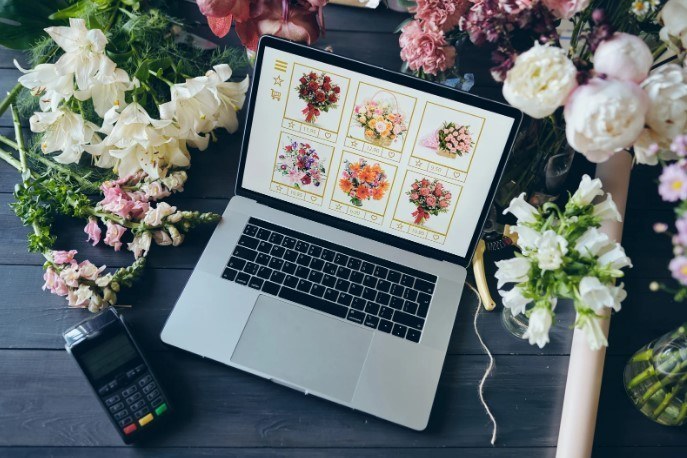
Yes, from local studios that keep them in stock. Order by 5 PM for same-day delivery, which runs seven days a week across neighborhoods such as Brickell, Coral Gables, Aventura, Miami Beach, Coconut Grove and Hollywood. In-store pickup in Hallandale Beach is an option when you are already nearby.